
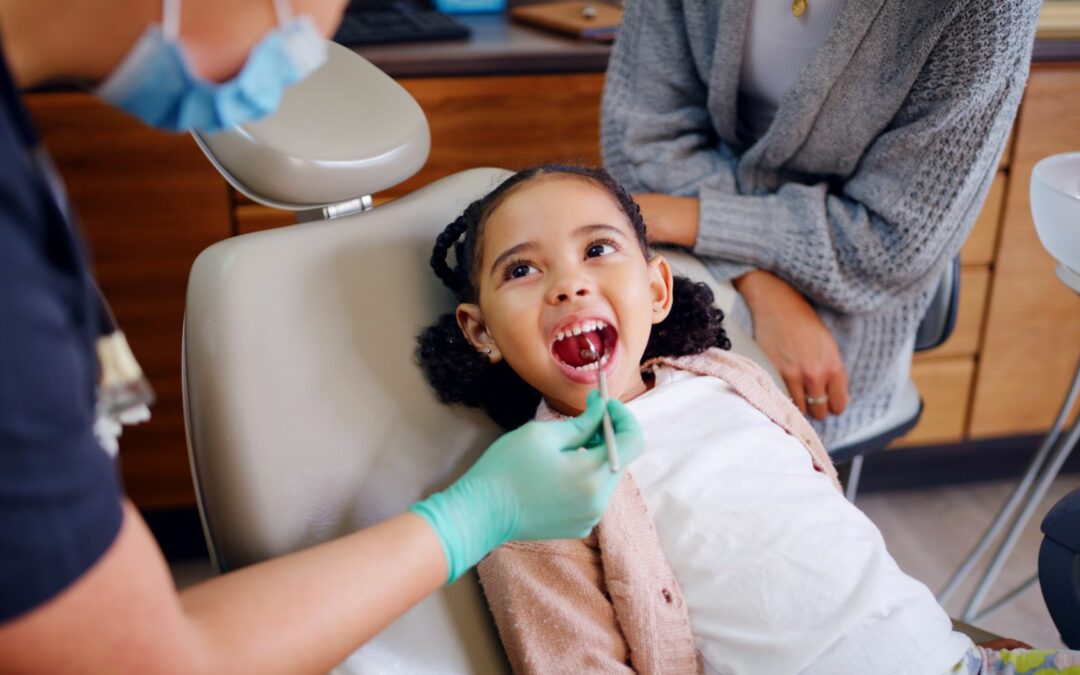
As parents, we want to give our children every possible advantage to grow up healthy, strong, and confident. While well-child pediatric visits and balanced nutrition are usually top priorities, dental health is just as important to their overall wellness. However, navigating early dental care in children often comes with questions: When should my child first see a dentist? How can I protect their teeth beyond just brushing? How do I get a squirming toddler to brush their teeth for two full minutes?
A lifetime of bright, cavity-free smiles rests on three core pillars: scheduling professional care at the right time, reinforcing positive hygiene routines at home, and actively promoting dental health through daily habits and lifestyle choices.
Here is your comprehensive guide to setting your child up for dental health success from infancy through elementary school.
When Should Your Child First Visit the Dentist?
There is plenty of conflicting advice online—some suggest waiting until age two or three, while others recommend going only if a visible concern arises. In fact, many parents wait until age four or five before scheduling a first dental visit.
However, leading organizations like the American Academy of Pediatric Dentistry (AAPD), the American Dental Association (ADA), and the American Academy of Pediatrics (AAP)offer a clear guideline:
“First visit by the first birthday, or within six months after their first tooth erupts.”
While the national average for a child’s first visit is approximately 2.6 years old, waiting until preschool or kindergarten leaves baby teeth vulnerable to plaque buildup and early childhood decay.
Why Early Dentist Visits Are Critical
- Familiarity & Comfort: A child’s first dentist appointment isn’t complex procedure; it is about positive exposure. Sitting in the dental chair, exploring the instruments, and meeting the dental team eliminates fear and normalizes checkups.
- Development Tracking: Early examinations allow your dentist to track jaw growth, bite alignment, and tooth spacing, ensuring primary (baby) teeth stay healthy and remain in place until they naturally guide permanent adult teeth into position.
- Parental Partnership: These visits give parents dedicated time to discuss pacifier use, teething remedies, thumb-sucking, and feeding habits with a professional before minor habits turn into alignment issues.
Proven Ways to Promote Dental Health in Your Child
Beyond the bathroom sink, oral wellness is shaped by daily routines, hydration, and proactive safeguards. Here are practical ways parents can actively promote long-term dental health:
- Make Tap Water the Go-To Beverage (when age appropriate): Fluoridated municipal tap water strengthens developing enamel from the inside out. Encourage water as the primary thirst-quencher throughout the day, especially after meals and snacks, to help wash away food particles and neutralize acid.
- Retire Bottles and Sippy Cups at Bedtime: Never send your infant or toddler to bed with a bottle or cup containing milk, formula, or juice. Liquids pool around the upper front teeth overnight, feeding bacteria and leading to a severe condition known as “baby bottle tooth decay.” Transition to water-only cups for bedtime.
- Protect Teeth During Sports: As kids get involved in different types of sports, oral trauma becomes a real risk. Promote dental safety early by introducing a well-fitted mouthguard to shield teeth, gums, and lips from accidental impacts.
- Transition Out of Prolonged Sucking Habits: Pacifiers and thumb-sucking are natural soothing mechanisms during infancy, but prolonged sucking past age two to three can alter the shape of the roof of the mouth and pull front teeth out of alignment. Work gently with your child (and your dentist) to phase out these habits early.
- Ask About Preventative Treatments: Inquire with your dentist about preventative safeguards like dental sealants (protective resin coatings painted onto the chewing surfaces of molars to seal out food and bacteria) and in-office fluoride treatments that harden enamel against acid attacks.
6 Proven Ways to Inspire Great Dental Routines at Home
At-home consistency is where daily habits turn into permanent lifestyle choices:
- Start Before the First Tooth Arrives
Clean mouths start before teeth even emerge.
- Infants: Gently wipe your baby’s gums with a clean, damp cloth or soft silicone finger brush after feedings. This clears bacteria and acclimates them to the sensation of oral care.
- First Teeth: Once teeth appear, switch to an infant toothbrush with soft bristles and a smear (grain of rice-sized dab) of fluoride toothpaste.
- Lead by Example & Supervise Until Age 8
Children learn far more from observing than from lectures. Let them watch you brush twice a day for two minutes and floss daily, so they see that dental care is an unquestioned part of self-care.
- The Supervision Rule: Young children lack the fine motor coordination required to reach every groove and back molar. Always let your child take their turn first, then step in to finish the job. Most children require hands-on help or close supervision until around 8 years old.
- Make Daily Routines Fun and Interactive
Brushing doesn’t have to be a chore:
- Themed Tools: Let your child pick out their own brush featuring their favorite superhero, animal, or character. Electric brushes with built-in lights or musical timers can make the experience feel high-tech and exciting.
- Kid-Friendly Flavors: If traditional mint flavors feel too harsh or “spicy,” switch to gentle, ADA-approved flavors like berry, strawberry, or bubblegum.
- Two-Minute Jam Sessions: Cue up their favorite energetic song and dance through the full two minutes of brushing.
- Have a Seat
If getting your child to stand still at the bathroom vanity turns into a wrestling match, change the environment. Sit them comfortably on a bed, chair, or the living room sofa. A seated position stabilizes their head, helps them relax, and gives you direct line-of-sight and easy access to their mouth.
- Fuel Strong Teeth with Healthy Foods
Diet plays an enormous role in maintaining a healthy oral microbiome:
- Cut back on sticky fruit snacks, gummies, starchy chips, and sugary sodas or juices that cling to tooth enamel and feed cavity-causing bacteria.
- Focus on tooth-friendly snacks like crunchy celery and carrots (which naturally clean teeth surfaces), apples, yogurt, string cheese (rich in calcium and phosphates), and nuts.
- Make Dental Appointments Family Events
Young children can feel anxious when facing a clinical setting by themselves. Ease their nerves by scheduling family checkups together. Watching a parent or older sibling sit back relaxed in the dental chair provides reassurance that checkups are routine, comfortable, and completely normal.
Comprehensive Family Dental Care at University General Dentists
Creating positive dental experiences in childhood builds confidence that lasts decades. At University General Dentists, our team provides gentle, compassionate care tailored to each stage of your child’s oral development—from their very first infant checkup to teen orthodontics and routine family cleanings. Contact University General Dentists to schedule a visit for your child today!