
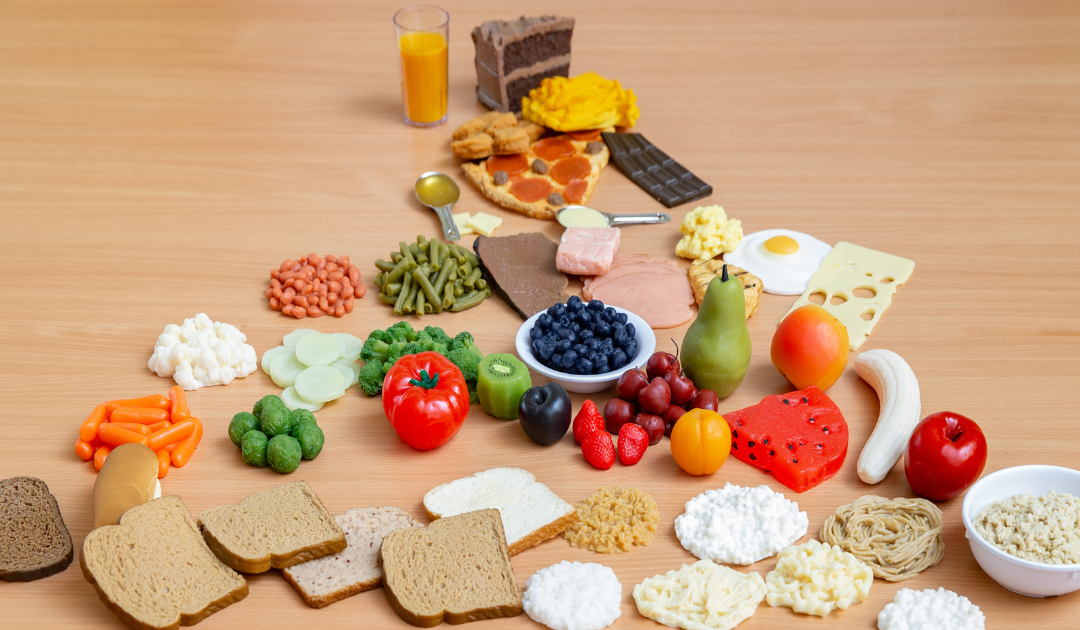
Diet and dental health are intertwined. The foods and drinks you consume directly impact your oral health and the appearance of your teeth. In this article we will discuss foods to eat and avoid for better dental health to help you make more informed choices. We will start with drinks and foods that are “bad” for your teeth. From tooth decay to staining, the negatives of consuming these foods and drinks are worth considering. We aren’t asking you to give them up completely, just to consume in moderation and take steps to mitigate the dental damage. Then we will switch to the positive and discuss drinks and foods that are good for your teeth!
Foods that Cause Tooth Decay
Tooth decay is the permanent destruction of the hard surface of your teeth caused by bacteria and plaque. Ongoing tooth decay results in cavities, a term you may be more familiar with (and afraid of). Sugar fuels the bacteria that causes tooth decay, producing acid that eats away at your enamel. So, consuming sugary foods regularly, especially those listed below, increases your odds of developing a cavity.
Cavity-Causing Foods:
- Sticky Sweets—gummies, candies, caramel, dry fruit: Physically stick to your teeth and get pressed into grooves and molars, causing prolonged exposure to sugar.
- Refined Starches—white bread, potato chips, pasta, crackers: These starchy foods are broken down into sugars and can easily get stuck in your teeth. Plus, they’re dangerous because most people don’t think of them as sugary foods.
- Sugary Drinks—fruit juice, sports drinks, sodas: Liquids touch the entire surface of the tooth, and these sugary drinks are often acidic as well which adds to the damage.
- Sneaky Sugars—condiments, yogurt, cough drops, gummy vitamins: The sugar content of these foods is often overlooked but can cause real damage over time.
Acidic Foods/Drinks and Enamel
Enamel is the hard outer layer that protects the sensitive inner layer of the teeth. Fun fact, enamel is the hardest substance in the human body. However, it’s still susceptible to damage.
Acidic fruits and drinks damage the enamel of the teeth over time through a chemical process called acid erosion. The mouth’s natural pH is around 7. Acidic drinks and foods with much lower pH levels cause the mouth’s pH to drop and when it reaches 5.5, Enamel starts to dissolve. Let’s look at some popular acidic foods and drinks and their pH.
| Acidic Food/Drinks | Approximate pH |
| Extremely Acidic Fruits (Lemons, Limes, Cranberries) | 2-2.4 |
| Fruit Juices | 2.2-4.2 |
| Sports & Energy Drinks | 2.8-3.3 |
| Wine | 2.9-3.8 |
| Moderately Acidic Fruits (Berries, Applies, Pineapple) | 2.9-4 |
| Vinegar | 2.4 |
| Pickles | 3.2-3.4 |
How to Limit Acid Damage
Acidic foods and drinks don’t need to be avoided altogether. In fact, many of these acidic foods and drinks have great health benefits, vitamins, and minerals. So, how can we limit the damage to our enamel while enjoying acidic foods and drinks?
- Drink Water: While enjoying a particularly acidic meal or an acidic beverage like wine, simply sip water throughout. Rinsing your teeth with water will limit the amount of time your teeth are sitting in the acid.
- Buffer Foods: Mix in foods with high pH levels to raise the overall pH of your mouth. Good buffer foods with higher pH include nuts and dairy.
- Chew Sugar Free Gum: Chewing gum stimulates saliva production which naturally restores your mouth’s pH back to a safe level.
Drinks that Stain your Smile
Even if your smile is healthy, natural pigments and artificial dyes can stain your teeth. Some beverages contain other ingredients that make your teeth particularly vulnerable to staining. Let’s look at some of the most common ingredients, foods, and drinks that stain teeth and then discuss ways to limit teeth staining.
The Role of Tannins in Staining
Tannins are a group of natural bitter compounds found in plants, seeds, and fruit skins that can cause stained teeth. Tannins themselves do not stain teeth but rather act as stain boosters. Tannins attract and lock pigments onto the tooth surface that would otherwise be washed away by saliva.
Drinks with Tannins:
- Black Tea: Contains the highest concentration of tannins of all the drinks on this list.
- Red Wine: Ever notice a “red wine smile” when enjoying a nice Merlot or Cabernet? Red wine contains both tannins and anthocyanins, the intense pigment found in grape skin that gives red wine (and your teeth) that reddish purple color. Plus, red wine is acidic which makes your teeth more vulnerable to staining.
- Coffee: Because it’s a morning ritual for a lot of people, coffee is a common cause of a stained or yellowing smile. Coffee is acidic, contains tannins, and chromogens—pigments that stick to the teeth and settle into pits and ridges.
Other Drinks that Stain Your Smile
- Soda: The high acidity and carbonation in soda erodes enamel, making your teeth more porous and receptive to stains from artificial coloring in the soda itself or pigments and staining agents in other foods.
- Sports/Energy Drinks: Often even more acidic than sodas, sports and energy drinks are a major threat, especially those that contain bright colored synthetic dyes.
- Fruit Juices: Bright colored juices such as cranberry, grape, or pomegranate, are naturally acidic, which primes the tooth for staining, and full of pigments (chromogens) that bond to the tooth immediately.
Foods that are Good for Your Teeth
Let’s take a break from the bad to focus on the good! There are plenty of foods that are good for your teeth! These foods help clean, fortify, and protect your teeth while you eat, and support a healthy smile!
Nature’s Toothbrushes
Crunchy, fibrous foods are natural scrubbers that clean your teeth as you chew! Crunchy texture requires a lot of chewing which cleans and massages gums and between teeth. High water and fiber content stimulate saliva production, which helps clean teeth.
- Celery
- Carrots
- Apples
- Leafy Greens (spinach, kale, etc.)
Saliva Stimulators
Saliva is a complex fluid that works around the clock to prevent decay and keep a healthy oral environment. Saliva neutralizes acid, strengthens enamel, acts as a protective barrier and lubricant from harmful substances, and fights bad bacteria. Therefore, foods that boost saliva production are great for overall dental health!
- Sugar Free Gum (Xylitol)
- Cucumbers & Watermelon: High water content increases saliva
- Strawberries: Malic Acid in strawberries increases saliva production
- Ginger & Other Spices: The strong flavors increase saliva.
- Nuts & Seeds: Packed with healthy minerals and because they require a lot of chewing, nuts and seeds encourage your mouth to produce extra saliva.
- Water: Staying hydrated helps your body produce enough saliva.
Acid Neutralizers
Acidic foods and drinks erode enamel. These foods and drinks act as acid neutralizers, bringing the pH in your mouth to a safe level. Consuming these acid neutralizers after an acidic treat or meal can limit the negative impacts of acid on your teeth.
- Nuts are low in carbs, high-protein, and rich in minerals, which makes them excellent at neutralizing acid.
- Water: Simply washes away acid and food debris, keeps your saliva level high, and prevents stains from setting in.
- Milk: Helps to neutralize acids formed by plaque bacteria to mitigate damage to your enamel.
Enamel Builders: Mineral-Rich Foods
Enamel is constantly losing and regaining minerals. These foods provide minerals to support the remineralization process.
- Cheese & Yogurt: Contain calcium and phosphorus which redeposit minerals and casein, a protein that protects the tooth’s surface.
- Eggs: Contain Vitamin D which helps your body absorb and use calcium.
- Fluoride: Found in fluoridated water and many types of fish and shellfish, fluoride is a mineral that strengthens enamel and makes teeth more resistant to acid.
- Sweet Potatoes & Carrots: Contain Vitamin A which is essential for the formation of enamel.
Experience Excellent Dental Care + Education at UGD
Knowledge is power when it comes to your dental health. At University General Dentists we don’t just clean your teeth and push you out the door. We look for signs of damage, problem areas, and discuss the root causes of dental health problems with you, including your diet! At UGD we are all about teaching! We aren’t just educating the next generation of dental professionals; we are also educating our patients during every visit so they can make informed decisions about their daily habits and dental health! Discover better dental care at UGD, contact us today.