
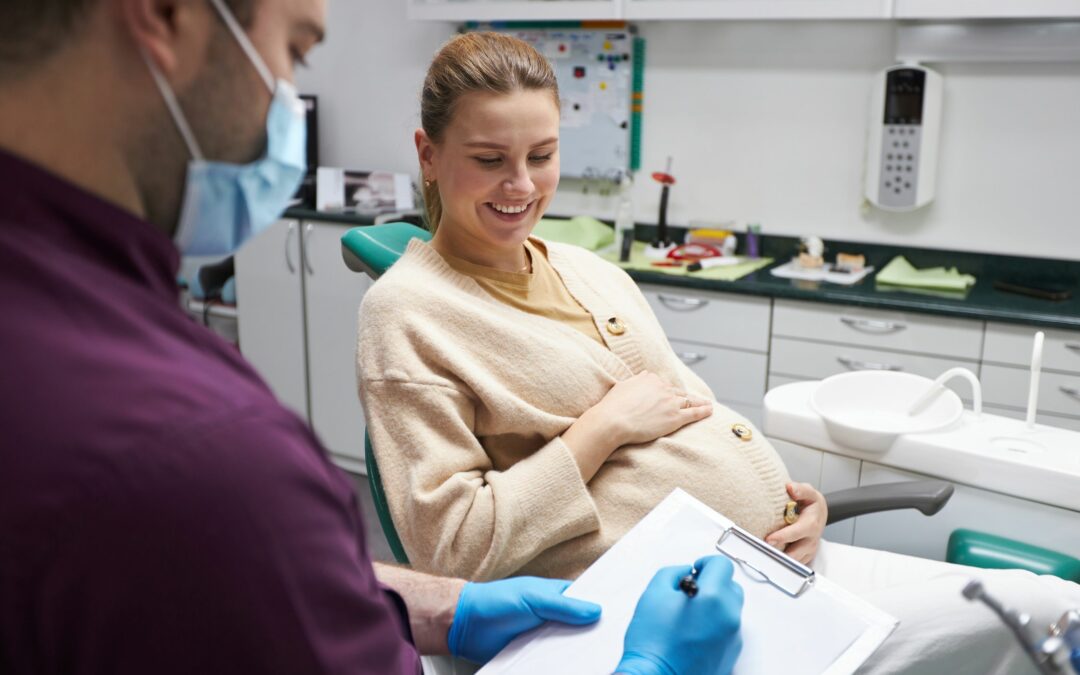
Pregnancy is a remarkable journey filled with anticipation and joy, but it also comes with challenges and complex physical changes. As an expectant mother, you’re likely focused on countless aspects of your health and your baby’s development – from nutrition to prenatal appointments. However, one crucial area that often gets overlooked is dental health. Many people are unaware that pregnancy significantly impacts your oral health, and that neglecting dental care during pregnancy can have consequences for both you and your developing baby. In this blog we will look at the intricacies of oral health and pregnancy. We will provide you with the knowledge and steps to maintain a healthy smile throughout your nine-month journey and beyond.
How Does Pregnancy Affects Your Oral Health?
Pregnancy brings a lot of amazing changes to a woman’s body and many of these can directly affect your oral health. Hormonal changes, dietary changes, and symptoms of pregnancy can make expectant mothers more susceptible to various dental issues.
Pregnancy Gingivitis
This is perhaps the most common oral condition experienced by pregnant women. The increased blood flow to the gums, coupled with hormonal changes, makes them more sensitive, prone to inflammation, redness, swelling, and bleeding, especially during brushing or flossing. While generally mild, untreated pregnancy gingivitis can progress to more severe forms of gum disease.
Periodontitis
If pregnancy gingivitis is left unaddressed, it can advance to periodontitis, a more serious infection that affects the tissues supporting your teeth. Periodontitis can lead to bone loss, receding gums, and ultimately, tooth loss. Research suggests a potential link between severe periodontitis in pregnant women and adverse pregnancy outcomes, such as preterm birth and low birth weight.
Pregnancy Tumors (Pyogenic Granuloma)
Despite their alarming name, these are benign (non-cancerous) growths that can appear on the gums, typically in the second trimester. They are usually red, swollen, and bleed easily. While they often disappear on their own after childbirth, they can sometimes interfere with eating or speaking and may require removal by a dentist.
Tooth Erosion
Morning sickness, a common pregnancy symptom characterized by nausea and vomiting, can expose your teeth to stomach acid. This acid is highly corrosive and can erode tooth enamel, making your teeth more sensitive and vulnerable to cavities.
Increased Risk of Cavities
Changes in diet, increased snacking, and a potential decrease in oral hygiene due to fatigue or morning sickness can all contribute to a higher risk of developing cavities during pregnancy.
Dry Mouth
Some pregnant women experience dry mouth, which can be a side effect of hormonal changes or certain medications. Saliva plays a crucial role in neutralizing acids and washing away food particles, so a lack of it can increase the risk of cavities and other oral problems.
Why Prioritizing Dental Care During Pregnancy Matters
Beyond the discomfort and potential for pain, neglecting your oral health during pregnancy can have broader implications.
- For the Mother: Untreated dental infections can lead to more serious systemic health problems. For example, a severe tooth infection could spread to other parts of the body. Additionally, poor oral health can impact your overall quality of life, making it difficult to eat, speak, and even sleep comfortably.
- For the Baby: While direct transmission of bacteria from the mother’s mouth to the baby’s developing teeth is not a primary concern, research suggests a potential link between severe gum disease in the mother and adverse pregnancy outcomes such as preterm birth, low birth weight, and preeclampsia. While more research is needed to fully understand these connections, maintaining good oral hygiene is a simple and effective way to potentially mitigate these risks. Furthermore, a mother’s oral health can influence the future oral health of her child. The bacteria that cause cavities can be transmitted from mother to baby, meaning good oral hygiene practices during pregnancy can help establish a healthier oral microbiome for the newborn.
Essential Dental Care Practices During Pregnancy
Now that you understand the “why”, let’s get into the “how”. Here are essential dental care practices to implement throughout your pregnancy:
- Communicate with Your Dentist and Obstetrician: Inform both your dentist and your obstetrician about your pregnancy as soon as you know. This allows them to coordinate your care and ensure that any treatments are safe and appropriate. Your dentist will likely consult with your obstetrician before performing any major procedures.
- Regular Dental Check-ups and Cleanings:
- Schedule a visit early: Ideally, schedule a comprehensive dental check-up and cleaning in your first trimester or as soon as you confirm your pregnancy. This allows your dentist to assess your baseline oral health and address any existing issues before they worsen.
- Routine Cleanings: Continue with your regular professional cleanings throughout your pregnancy. These cleanings remove plaque and tartar buildup that at-home brushing can miss, significantly reducing your risk of gingivitis and periodontitis.
- Frequency: Your dentist may recommend more frequent cleanings, perhaps every three to four months, especially if you are experiencing significant pregnancy gingivitis.
- Maintain Excellent Oral Hygiene at Home:
- Brush Twice Daily: Use a soft-bristled toothbrush and fluoride toothpaste to brush your teeth for two minutes, twice a day. Pay special attention to the gum line, where plaque tends to accumulate.
- Floss Daily: Flossing once a day is crucial for removing food particles and plaque from between your teeth and under the gum line, areas your toothbrush can’t reach. If you experience bleeding gums, don’t stop flossing – it’s a sign that you need to floss more consistently to remove the irritants.
- Rinse with Antimicrobial Mouthwash (if recommended): Your dentist may recommend an alcohol-free antimicrobial mouthwash to help control bacteria, especially if you have significant gingivitis.
- Combat Morning Sickness Effects: If you experience morning sickness, resist the urge to brush immediately after vomiting, as this can further abrade softened enamel. Instead, rinse your mouth thoroughly with water or a fluoride mouthwash to neutralize the acid. You can then brush your teeth about 30 minutes later. Chewing sugar-free gum after vomiting can also help stimulate saliva flow and rebalance the pH in your mouth.
- Dietary Considerations:
- Limit Sugary Foods and Drinks: Reduce your intake of sugary snacks, candies, and sweetened beverages. These feed the bacteria in your mouth that produce acid, leading to cavities.
- Choose Nutrient-Rich Foods: A balanced diet rich in fruits, vegetables, lean proteins, and dairy products supports overall health, including the health of your teeth and gums. Calcium, in particular, is essential for strong bones and teeth.
- Stay Hydrated: Drink plenty of water throughout the day. Water helps rinse away food particles and keeps your mouth moist, reducing the risk of dry mouth.
What Dental Procedures are Safe During Pregnancy?
Many dental procedures are safe during pregnancy, particularly routine check-ups and cleanings. However, some considerations apply:
- Elective Procedures: Non-emergency or elective procedures, such as cosmetic dentistry or extensive restorative work, are generally postponed until after delivery.
- Dental X-rays: Dental X-rays are considered safe during pregnancy, especially with the use of lead aprons to shield the abdomen and thyroid collars. Modern dental X-rays use very low levels of radiation. However, your dentist will likely limit X-rays to those that are necessary for diagnosis and treatment.
- Local Anesthesia: Local anesthetics (like lidocaine) commonly used in dentistry are considered safe for pregnant women. Your dentist will use the lowest effective dose.
- Medications: Inform your dentist about all medications you are taking, including over-the-counter drugs and supplements. They will ensure that any prescribed medications are safe for pregnancy. Antibiotics like penicillin and amoxicillin are generally safe, while tetracycline should be avoided as it can cause tooth discoloration in the baby.
- Emergency Treatments: Dental emergencies, such as severe pain or infection, should be addressed immediately to prevent further complications. Your dentist will work with your obstetrician to determine the safest course of action.
Special Considerations at Your Dental Appointment
Navigating dental appointments while pregnant can present unique challenges. Here are some special considerations to keep in mind to ensure your comfort and safety during your visit:
- Positioning in the Dental Chair: In later stages of pregnancy, lying flat on your back can sometimes cause discomfort or interfere with blood flow. Your dentist can adjust the dental chair to a semi-reclined position or allow you to shift your weight to your side to ensure comfort.
- Managing Nausea and Gag Reflex: If you’re experiencing severe nausea or a heightened gag reflex, discuss this with your dentist. Dental professionals can make adjustments, such as using smaller instruments, providing breaks, or scheduling shorter appointments.
- Postpartum Dental Care: Don’t forget your dental health after your baby arrives! Hormonal levels begin to normalize, but continued good oral hygiene is essential. Schedule a postpartum check-up to assess any changes that occurred during pregnancy and address any lingering issues.
Your Pregnancy, Our Priority at University General Dentists
Make dental care a priority during pregnancy—it’s an investment that benefits you and your child. At University General Dentists, we are committed to ensuring your dental journey during pregnancy is successful and stress-free. Schedule your appointment with us today to experience compassionate, expert care tailored to your unique needs during this special time.